
Fostering a Dog: How It Works and What to Expect
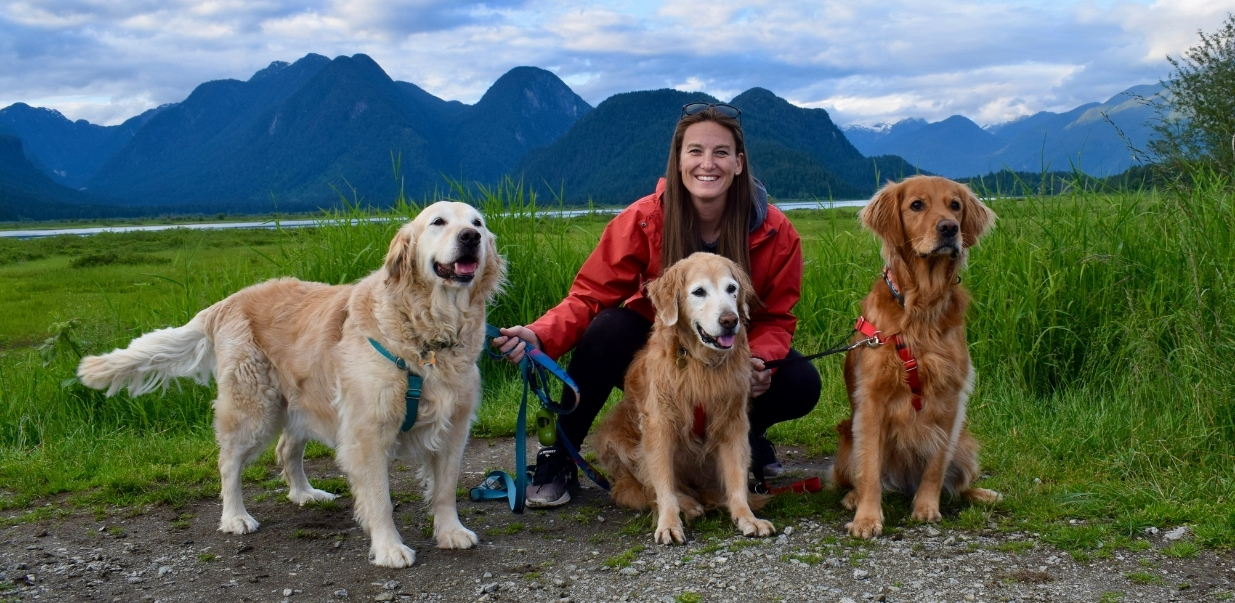
Fostering a dog involves giving a rescue dog temporary care in your home while the rescue organization oversees veterinary care, placement, and adoption. Foster families provide day-to-day care, stability, and valuable observations that help the rescue better understand each dog’s needs.
For dogs experiencing surrender, abandonment, displacement, or another major life change, time with a foster family can provide consistency and individual attention while the rescue determines the next steps. This guide explains how dog fostering works, what foster families are responsible for, what to expect during the adjustment period, and how to decide whether fostering may be right for your household.
What Does Fostering a Dog Mean?
Fostering a dog means providing temporary, home-based care on behalf of a rescue organization or shelter. The foster family looks after the dog’s everyday needs, but the rescue remains responsible for major veterinary decisions, adoption screening, and the dog’s long-term placement.
Adoption is permanent. Fostering supports a dog during one part of their rescue journey.
Dogs may need foster families for many different reasons, and every rescue story is unique. Some are surrendered when their families can no longer care for them, while others may be abandoned or found and remain unclaimed. Rescue organizations may also be contacted by veterinary clinics about dogs facing euthanasia who may still have a chance at recovery and a new life, or by animal control authorities about dogs in need of placement. Some dogs also come into care through authorities after being removed from backyard breeders or puppy mills. These are just a few of the circumstances that can bring a dog into rescue.
A foster family also gives the rescue information that may not be visible in a shelter or short assessment. Foster families can observe how the dog sleeps, walks on leash, responds to household sounds, interacts with people or other animals, and handles time alone. These details help the rescue build a more accurate picture of the dog and make a more thoughtful adoption match.
How Dog Fostering Usually Works
Although foster care for dogs varies between organizations, the process generally follows five stages.
Submit a Foster Application
The rescue begins by learning about your household, schedule, experience with dogs, family members, other pets, and availability. This is not about finding a perfect foster family. It is about understanding which dogs may be safely and responsibly matched with you.
Be honest about your lifestyle and limitations. Information about work hours, children, housing, travel, pets, and comfort with medical or behavioural needs helps prevent unsuitable placements.
Complete a Home Review
Many rescues complete a home visit (in person or virtually) before approving a foster family. The review may cover entrances, fences, stairs, sleeping areas, household routines, and how everyone in the home feels about fostering.
The purpose is to identify practical concerns before a dog arrives and make sure the household understands the rescue’s expectations.
Receive a Suitable Match
Matching is one of the most important parts of fostering. A senior dog may need a quiet home with fewer stairs. A younger dog may need more exercise and structure. A dog recovering from treatment may need medication, restricted activity, or more frequent appointments.
A responsible rescue considers the dog’s medical, behavioural, and environmental needs alongside the foster family’s experience, schedule, and home.
Provide Daily Care and Updates
Foster families provide feeding, walks, supervision, affection, rest, and a predictable routine. They also share useful updates about appetite, sleep, bathroom habits, energy, confidence, leash behaviour, and interactions with people and other animals.
These observations help the rescue respond to concerns, update the dog’s profile, and understand what type of permanent family may be suitable.
Help the Dog Move to a Forever Family
The purpose of fostering is to help the dog become safe, stable, and understood while the rescue works toward the right permanent placement. Depending on the dog’s needs, fostering may last several weeks, several months, or sometimes longer.
When the dog is ready, the rescue manages the adoption and matching process. The foster family’s experience and observations play an important role in that decision.
Foster Parent Responsibilities and Costs
The cost of fostering a dog and the support provided vary between rescue organizations. Before accepting a placement, foster families should understand what the rescue covers, what requires advance approval, and whom to contact in an emergency.
Typical foster parent responsibilities include:
Some rescue organizations provide food, crates, medication, or other supplies, while others may ask foster families to cover certain everyday items. Approved veterinary care is often arranged and paid for by the rescue, but policies differ.
Golden Rescue covers veterinary fees for Goldens in foster care and provides ongoing guidance, including when a dog has medical or behavioural needs. Foster families should communicate concerns early rather than making independent treatment decisions or waiting until an issue becomes more difficult to manage.
Bringing a Foster Dog Home
The first few days with a foster dog should focus on safety, rest, and routine. A new arrival may be tired, restless, clingy, withdrawn, unsure about food, or unsettled by ordinary household sounds. Some dogs may have accidents, pace, bark, follow people closely, or sleep more than expected.
These behaviours are not unusual. The dog is adjusting to unfamiliar people, smells, expectations, and surroundings.
Before the dog arrives, prepare a quiet area with a comfortable bed, water, and enough space to rest without being disturbed. Secure food, garbage, medications, doors, gates, and other potential hazards. Make sure everyone in the household understands the plan.
During the adjustment period:
- Keep feeding, walks, bathroom breaks, and bedtime as consistent as possible.
- Limit visitors, busy outings, and unnecessary stimulation.
- Allow the dog to approach people at their own pace.
- Introduce resident pets gradually and according to the rescue’s guidance.
- Avoid expecting perfect manners or trying to correct every behaviour immediately.
- Report signs of illness, severe distress, aggression, or other concerning changes promptly.
Simple notes can be extremely helpful. Record what the dog eats, how they sleep, what seems to make them comfortable or nervous, and how they respond to walks, household activity, and time alone.
As the dog begins to feel secure, their personality and needs often become easier to understand. Patience and predictability are usually more useful than trying to rush the adjustment.

Bringing a Foster Dog Home
The first few days with a foster dog should focus on safety, rest, and routine. A new arrival may be tired, restless, clingy, withdrawn, unsure about food, or unsettled by ordinary household sounds. Some dogs may have accidents, pace, bark, follow people closely, or sleep more than expected.
These behaviours are not unusual. The dog is adjusting to unfamiliar people, smells, expectations, and surroundings.
Before the dog arrives, prepare a quiet area with a comfortable bed, water, and enough space to rest without being disturbed. Secure food, garbage, medications, doors, gates, and other potential hazards. Make sure everyone in the household understands the plan.
During the adjustment period:
- Keep feeding, walks, bathroom breaks, and bedtime as consistent as possible.
- Limit visitors, busy outings, and unnecessary stimulation.
- Allow the dog to approach people at their own pace.
- Introduce resident pets gradually and according to the rescue’s guidance.
- Avoid expecting perfect manners or trying to correct every behaviour immediately.
- Report signs of illness, severe distress, aggression, or other concerning changes promptly.
Simple notes can be extremely helpful. Record what the dog eats, how they sleep, what seems to make them comfortable or nervous, and how they respond to walks, household activity, and time alone.
As the dog begins to feel secure, their personality and needs often become easier to understand. Patience and predictability are usually more useful than trying to rush the adjustment.
Is Fostering a Dog Right for You?
Fostering can be deeply rewarding, but it requires time, flexibility, and realistic expectations. Before applying, consider whether your household can provide consistent care and follow the rescue’s process.
Ask yourself:
- Does everyone in the home support the decision to foster?
- Can we provide daily feeding, walks, supervision, and companionship?
- Can we manage veterinary appointments, medication, or temporary changes in routine?
- Can we follow the rescue’s instructions, even if we might personally do something differently?
- Are we prepared for possible accidents, anxiety, disrupted sleep, or training needs?
- Can we communicate concerns promptly and honestly?
- Can we accept that the dog is expected to leave for a permanent family?
Fostering a dog with other pets may be possible, but suitability depends on the foster dog, the resident animals, and the rescue’s matching process. Some dogs settle well with other pets, while others need to be the only animal in the home. Slow introductions and careful supervision are essential.
Saying goodbye can also be difficult. Foster families often become attached after helping a dog through uncertainty or recovery. That bond is natural. The purpose of fostering, however, is to help the dog reach a suitable permanent family. A successful goodbye also creates space to help another dog who needs temporary care.
Fostering Is Different From Adopting
Some people begin by researching how to foster to adopt a dog because they are considering permanent dog ownership. Fostering can provide insight into the responsibilities of caring for a dog, but it should not be treated as a trial adoption unless the rescue clearly offers that option.
The foster family’s role is to support the dog while the rescue determines the most suitable permanent placement. The right adoptive family may be someone else, even when the foster family has formed a strong bond with the dog.
Golden Rescue requires foster parents to foster at least three Goldens before they may adopt one of their own foster dogs. This policy helps protect the organization’s foster capacity so that Goldens entering care continue to have foster families available.
People whose primary goal is adoption should review Golden Rescue’s adoption process separately before deciding which path is appropriate.
How to Start Fostering a Dog
If you search for “dog fostering near me,” focus on finding an established rescue that clearly explains its process and provides meaningful support.
Before applying, look for:
- Clear foster requirements and household expectations.
- Careful matching based on the dog’s needs.
- Defined veterinary and emergency procedures.
- A reliable contact for questions or concerns.
- Behavioural guidance when needed.
- Transparent policies about fostering, adoption, and expenses.
For people considering dog fostering anywhere in Canada, breed-specific rescues, humane societies, and foster-based charities may have different requirements. Review the organization’s history, policies, and available support before making a commitment.
Fostering With Golden Rescue
Golden Rescue has been rescuing and rehoming Golden Retrievers since 1990. It is a registered charity run entirely by volunteers and depends on foster families, veterinary partners, donors, and other volunteers to give Goldens in need a safe place to recover and be understood.
Approximately 200 to more than 400 Goldens come into Golden Rescue’s care each year, and each one needs an appropriate foster family. Foster families are needed throughout Canada. Some Goldens need a quiet place after surrender or displacement, while others require veterinary treatment, behavioural support, or time to regain confidence before adoption.
Golden Rescue assumes financial responsibility for veterinary fees and asks foster families to attend appointments with its supporting veterinarians and any required follow-up visits.
Foster families also assess their Golden’s temperament, behaviour, and personality and complete a comprehensive behaviour evaluation to support the matching process.
They are responsible for housing, feeding, grooming, exercising, training, and caring for their foster Golden until a permanent family is found.
Foster periods may range from a few weeks to a couple of months, sometimes longer, depending on the Golden’s needs and how long it takes to find the right permanent family.
Golden Rescue particularly needs foster families willing to care for Goldens with medical or behavioural issues and bonded pairs that cannot be separated. The organization also has a particular need for foster families without other pets.
Golden Rescue’s general foster requirements include:
These requirements are intended to support safe placements and protect the Golden, the foster family, and the success of the adoption process.
For people who want to foster a Golden Retriever, Golden Rescue provides clear requirements, veterinary support, and guidance throughout the placement.
If you are ready to explore what fostering a Golden Retriever involves, review Golden Rescue’s requirements and next steps on the Foster a Golden page.

Final Thoughts on Fostering a Dog
A foster family gives a rescue dog stability, individual care, and the time needed to show who they are. Fostering requires patience, communication, and the willingness to let the dog move on when the right adoptive family is found.
For Golden Rescue, every approved foster family creates another opportunity to help a Golden receive care, recover, and move safely toward a permanent family.
Frequently Asked Questions About Fostering With Golden Rescue
Will I have someone to contact while I am fostering a Golden?
Yes. Each Golden Rescue foster family is assigned a mentor who provides guidance, information, and moral support throughout the placement. Foster families can also contact Golden Rescue’s intake team with questions or concerns about their foster dog.
How does Golden Rescue use the foster family’s behaviour evaluation?
The comprehensive behaviour evaluation helps Golden Rescue understand the foster Golden’s temperament, behaviour, personality, routines, and individual needs. The placement team uses this information to help identify an appropriate adoptive family and to provide potential adopters with detailed information about the dog.
What happens after I submit a foster application to Golden Rescue?
After an application is submitted, a Golden Rescue volunteer contacts the applicant to clarify information, answer questions, and arrange a home visit. This helps the organization better understand the household and determine an appropriate foster placement.
Can I tell Golden Rescue about my limitations or preferences when applying to foster?
Yes. Applicants should provide accurate information about their household, schedule, other pets, experience, availability, and the types of foster situations they are comfortable managing. Golden Rescue uses this information when determining an appropriate match for the Golden and the foster family.
Ready to learn more about fostering a Golden?
Golden Rescue’s foster program explains the requirements, support process, and next steps for opening your home to a Golden in need.
Connect With Golden Rescue
Follow Golden Rescue’s official channels for rescue updates, Golden stories, community events, and ways to support Goldens in need.